Waterfall Life Cycle Model: The Complete 2026 Guide
Picture this: A major banking institution launches a critical software upgrade using a rushed, iterative approach. Three months later, they're facing system crashes, regulatory compliance issues, and millions in losses. Meanwhile, their competitor successfully deployed a similar system using a structured, phase-by-phase methodology that delivered exactly what was promised, on time and within budget.
The difference? The successful project leveraged the waterfall life cycle model—a time-tested approach that remains one of the most reliable project management methodologies in today's complex business environment.
Despite the surge in agile practices, waterfall methodology continues to power mission-critical projects across industries where precision, documentation, and regulatory compliance cannot be compromised. At its core, the waterfall model represents a sequential development approach within the broader SDLC framework, where each phase must be completed and validated before the next begins.
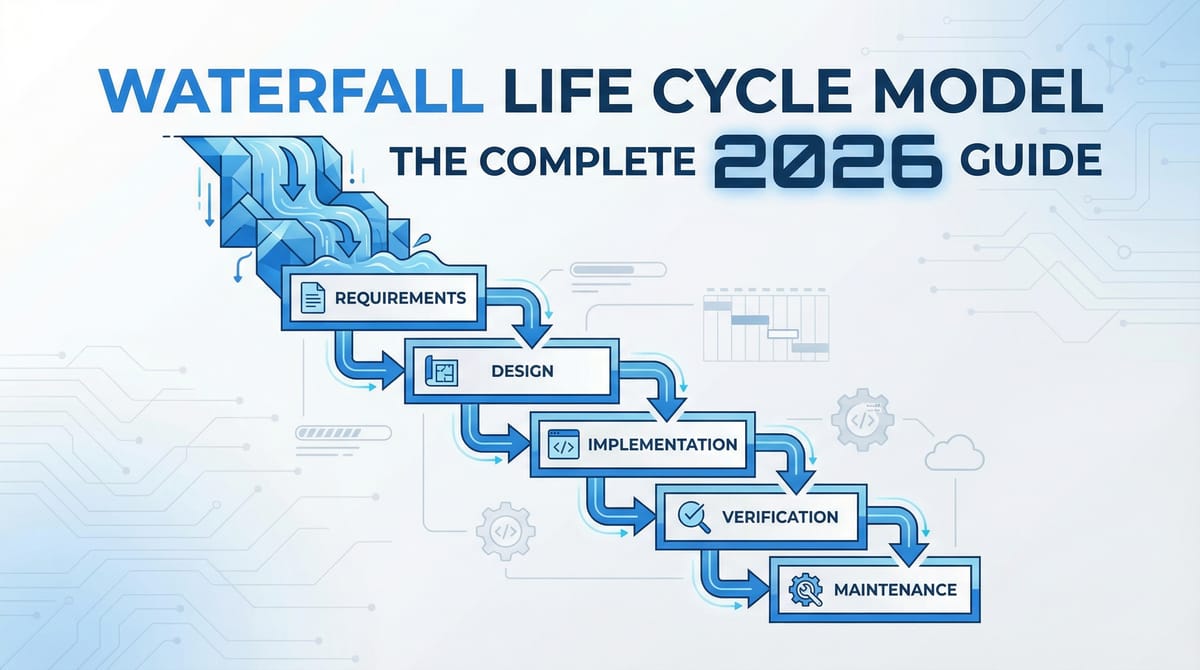
This methodology transforms project chaos into predictable outcomes through its distinctive linear progression: requirements gathering, system design, implementation, testing, deployment, and maintenance. Each phase serves as a gateway, ensuring teams build on solid foundations rather than shifting requirements.
What makes waterfall particularly powerful is its emphasis on thorough planning and documentation—elements that agile methodologies sometimes sacrifice for speed. Research from the Project Management Institute shows that organizations with standardized project management practices complete 89% more projects successfully, with waterfall contributing significantly to this statistic in appropriate contexts.
However, implementing waterfall effectively requires more than simply following a linear sequence. Success depends on understanding when to apply this SDLC methodology, how to structure each phase for maximum efficiency, and what potential pitfalls to avoid during execution.
This comprehensive guide will walk you through every aspect of the waterfall life cycle model, from its fundamental principles to advanced implementation strategies. You'll discover how to assess project suitability, structure each development phase, manage stakeholder expectations, and leverage waterfall's strengths while mitigating its inherent limitations.
Whether you're a seasoned project manager evaluating methodology options or a team lead preparing for your first waterfall project, this guide provides the practical insights and proven frameworks you need. We'll explore real-world case studies, examine common failure patterns, and equip you with actionable templates and checklists that ensure your sequential development projects deliver exceptional results.
What is the Waterfall Life Cycle Model?
The waterfall life cycle model stands as one of the most foundational methodologies within the Software Development Life Cycle (SDLC), offering project managers a structured framework for delivering complex initiatives. This traditional approach treats software development as a manufacturing process, where each phase must be completed before the next one begins.
At its core, sequential development defines the waterfall methodology's DNA. Teams progress through distinct project phases in a predetermined order: requirements gathering, system design, implementation, testing, deployment, and maintenance. Each phase produces specific deliverables that serve as the foundation for subsequent stages, creating a clear roadmap from conception to completion.
This linear approach contrasts sharply with modern iterative methodologies like Agile or Scrum. While Agile embraces change and frequent iterations, waterfall prioritizes comprehensive planning and documentation upfront. The methodology assumes that requirements can be fully understood and documented at the project's beginning, making it particularly suitable for projects with well-defined scope and stable requirements.
Several key characteristics distinguish waterfall from other project management approaches. Documentation plays a central role, with detailed specifications created at each phase to ensure knowledge transfer and project continuity. The methodology also emphasizes thorough testing at designated phases rather than continuous testing throughout development.
The sequential nature of waterfall creates natural checkpoints where stakeholders can review progress and approve deliverables before moving forward. This gate-based approach provides strong governance and control, making it attractive for organizations requiring regulatory compliance or extensive audit trails. However, it also means that changes become increasingly expensive and difficult to implement as the project progresses.
Research from the Project Management Institute indicates that waterfall remains prevalent in industries like construction, manufacturing, and government contracting, where requirements are typically stable and well-understood from the outset. These sectors benefit from waterfall's predictable timeline and budget estimates, which stem from its comprehensive upfront planning.
Understanding when to apply the waterfall life cycle model becomes crucial for project success. The methodology excels in environments where requirements are clear, technology is well-established, and the project scope is unlikely to change significantly. Projects involving safety-critical systems, regulatory compliance, or fixed-price contracts often leverage waterfall's structured approach to minimize risk and ensure predictable outcomes.
For project managers evaluating methodologies, waterfall offers the advantage of clear milestones, defined roles, and straightforward progress measurement. While it may lack the flexibility of newer approaches, its systematic nature continues to provide value in appropriate contexts, making it an essential tool in every project manager's methodology toolkit.
The 6 Phases of Waterfall Development
The waterfall methodology divides complex projects into six distinct, sequential phases that build upon each other. Each phase must be completed before moving to the next, creating a structured approach that many project managers rely on for predictable outcomes.
Phase 1: Requirements Analysis
Requirements gathering forms the foundation of your entire project. During this phase, you'll work closely with stakeholders to document functional requirements, technical specifications, and business objectives. The primary deliverables include a requirements specification document, user stories, and acceptance criteria.
Your team conducts stakeholder interviews, workshops, and surveys to capture every detail. For example, when developing an e-commerce platform, you'd document payment processing requirements, inventory management needs, and user interface expectations before moving forward.
Phase 2: System Design
The system design phase transforms requirements into technical blueprints. You'll create architectural diagrams, database schemas, user interface mockups, and detailed technical specifications. This phase produces design documents that serve as roadmaps for developers.
Your design team translates business requirements into technical solutions. They define system architecture, select technology stacks, and create wireframes that show exactly how the final product will function and appear to users.
Phase 3: Implementation
Implementation is where actual development begins using the specifications from previous waterfall phases. Developers write code, build databases, and create user interfaces according to the established design documents. Key deliverables include source code, database structures, and initial system builds.
This phase typically consumes the most time and resources in the project lifecycle. Teams follow coding standards, conduct peer reviews, and build features incrementally while adhering strictly to the approved specifications.
Phase 4: Testing
Testing validates that your implementation meets the original requirements. Quality assurance teams execute test plans, identify defects, and verify that all functional and non-functional requirements are satisfied. Deliverables include test reports, bug tracking documentation, and validated system components.
Multiple testing levels occur during this phase, including unit testing, integration testing, and user acceptance testing. Each test type serves a specific purpose in ensuring the system performs as intended before deployment.
Phase 5: Deployment
Deployment moves your tested system into the production environment. This phase involves installation procedures, user training, data migration, and go-live activities. Primary deliverables include deployment guides, training materials, and operational procedures.
Your deployment team coordinates with infrastructure specialists to ensure smooth system rollout. They manage environment setup, conduct final system checks, and provide immediate support during the initial launch period.
Phase 6: Maintenance
Maintenance ensures long-term system stability and performance. This ongoing phase includes bug fixes, performance monitoring, security updates, and feature enhancements. Deliverables encompass maintenance schedules, update procedures, and system documentation updates.
Studies show that maintenance typically accounts for 60-70% of total software lifecycle costs. Your maintenance team handles user support requests, applies security patches, and implements minor improvements based on user feedback and changing business needs.
Sequential Flow and Dependencies
Each phase depends entirely on the successful completion of the previous one. Requirements drive design decisions, which inform implementation strategies, which determine testing approaches. This sequential nature provides clear project milestones and makes progress tracking straightforward.
The waterfall phases create natural checkpoints where stakeholders can review progress and approve continuation. This structured approach works particularly well for projects with stable requirements and predictable outcomes, giving project managers confidence in timeline and budget estimates.
When to Use the Waterfall Model
The waterfall model thrives in environments where predictability and structure take precedence over flexibility. Understanding when this methodology aligns with your project's nature can mean the difference between seamless execution and costly pivots mid-stream.
Project Characteristics That Signal Waterfall Success
Fixed scope projects with clearly defined deliverables represent the sweet spot for waterfall implementation. When your requirements are stable and unlikely to change throughout development, the sequential approach eliminates the overhead of constant reassessment and replanning that characterizes more iterative methodologies.
Projects requiring extensive documentation also benefit from waterfall's emphasis on comprehensive planning phases. Each stage produces detailed artifacts that serve as both roadmaps and accountability measures, particularly valuable when multiple stakeholders need visibility into progress and decision-making rationale.
Regulatory Compliance as a Waterfall Driver
Industries bound by strict regulatory compliance find waterfall's structured approach invaluable. Medical device development, pharmaceutical research, and aerospace engineering projects must demonstrate clear audit trails and predetermined validation checkpoints that waterfall naturally provides.
The FDA's software validation requirements, for example, align perfectly with waterfall's emphasis on upfront planning and documented phase gates. This creates a natural synergy between regulatory expectations and methodology mechanics.
When Agile Becomes the Better Choice
Conversely, projects with evolving requirements or unclear end-user needs suffer under waterfall's rigid structure. Software products targeting rapidly changing markets, innovative consumer applications, or exploratory research initiatives typically benefit from agile's adaptive framework.
Customer-facing digital products particularly struggle with waterfall's limited feedback loops. By the time you reach user testing in the final phases, course corrections become exponentially more expensive than the iterative refinements possible in agile environments.
A Decision Framework for Project Suitability
Evaluate your project against three critical dimensions: requirement stability, stakeholder complexity, and change tolerance. Projects scoring high on requirement stability, moderate on stakeholder complexity, and low on change tolerance typically favor waterfall approaches.
Consider the cost and feasibility of requirement changes throughout your project lifecycle. If changes after the planning phase would trigger significant budget overruns or timeline extensions, waterfall's front-loaded planning becomes a strategic advantage rather than a constraint.
Industry Applications in Practice
Construction projects exemplify ideal waterfall scenarios. Building a hospital requires predetermined architectural plans, fixed regulatory approvals, and sequential dependencies where electrical work cannot begin before structural completion. The physical nature of construction makes iterative changes prohibitively expensive.
Similarly, enterprise software implementations with predetermined integration points and established user workflows benefit from waterfall's systematic approach. When you're replacing a legacy system with known functionality requirements, the structured progression through analysis, design, development, and deployment phases provides stakeholders with predictable milestones and clear accountability measures.
The key lies in honestly assessing your project's fundamental characteristics rather than defaulting to organizational preferences or current methodology trends.
Advantages of the Waterfall Life Cycle Model
The waterfall methodology has earned its reputation as a cornerstone of project management for good reason. When implemented correctly, this sequential approach delivers significant advantages that make it the preferred choice for many organizations, particularly those managing complex, regulated, or large-scale initiatives.
Unmatched Predictability in Planning and Execution
One of the most compelling waterfall advantages lies in its structured, phase-by-phase approach that creates predictable outcomes from day one. Each stage builds logically on the previous one, allowing project managers to establish clear milestones, dependencies, and deliverables before work begins. This systematic progression eliminates guesswork and provides stakeholders with confidence in the project's direction.
The linear nature of waterfall methodology also enables teams to identify potential bottlenecks and resource constraints early in the planning process. By mapping out the entire project lifecycle upfront, organizations can allocate resources more effectively and avoid costly mid-project pivots.
Comprehensive Documentation That Drives Success
Waterfall's emphasis on thorough project documentation creates an invaluable knowledge repository that extends far beyond the current initiative. Each phase produces detailed specifications, requirements documents, and technical blueprints that serve as permanent organizational assets. This documentation becomes particularly crucial when team members transition between projects or when new stakeholders join the effort.
The structured documentation approach also facilitates seamless knowledge transfer between departments and external vendors. According to PMI research, projects with comprehensive documentation are 67% more likely to meet their original objectives, highlighting the tangible value of waterfall's documentation-heavy approach.
Streamlined Stakeholder Management
The waterfall model excels at stakeholder management by providing clear communication touchpoints and defined approval gates. Executives and clients appreciate the methodology's transparency, as they can easily track progress against predetermined milestones and make informed decisions at critical junctures.
Each phase concludes with formal stakeholder review and sign-off, ensuring alignment before moving forward. This structured approach prevents scope creep and maintains project focus, while giving stakeholders meaningful opportunities to influence outcomes at appropriate intervals.
Financial and Timeline Predictability
Organizations consistently choose waterfall for projects requiring strict budget adherence and timeline commitments. The upfront planning phase allows for accurate cost estimation and resource forecasting, enabling finance teams to allocate budgets with confidence.
The sequential structure also supports more reliable timeline predictions, as each phase has clearly defined entry and exit criteria. This predictability proves essential for organizations coordinating multiple interdependent projects or managing regulatory deadlines.
Built-in Quality Control Mechanisms
Waterfall methodology incorporates quality control at every stage through formal testing phases and review processes. Rather than addressing quality concerns reactively, the model builds quality assurance into the project structure itself, resulting in more robust final deliverables and higher stakeholder satisfaction.
Disadvantages and Limitations of Waterfall
While the waterfall methodology has served countless projects successfully, project managers must honestly assess its inherent waterfall disadvantages before committing to this sequential approach. Understanding these methodology limitations helps teams make informed decisions about when waterfall fits—and when it doesn't.
The most significant challenge lies in waterfall's fundamental inflexibility once the project train leaves the station. When requirements change mid-project—which happens in roughly 60% of software projects according to industry research—teams face expensive rework or scope modifications that can derail timelines entirely. This rigidity transforms minor adjustments into major disruptions, often forcing project managers to choose between stakeholder satisfaction and budget adherence.
Change management becomes particularly problematic because waterfall's sequential nature means earlier decisions cascade through every subsequent phase. A requirement change discovered during testing doesn't just affect the testing phase—it ripples backward through development, design, and potentially even the initial requirements gathering. These cascading effects multiply costs and extend timelines exponentially.
The delayed feedback loop presents another critical limitation that amplifies project risks significantly. Stakeholders typically don't see tangible results until late in the development cycle, when the product is nearly complete. By then, course corrections require substantial resource investments and timeline extensions that many projects simply cannot accommodate.
This late feedback integration creates a perfect storm scenario where fundamental assumptions go unchallenged until it's too late to pivot effectively. If initial requirements miss the mark or market conditions shift during development, teams may deliver a technically perfect solution that completely misses business objectives. The "build it and they will come" mentality becomes a dangerous gamble with project success.
Limited customer collaboration throughout the development process compounds these challenges by creating an information vacuum. Unlike iterative methodologies that encourage continuous stakeholder engagement, waterfall's structured approach often isolates customers during critical development phases. This separation increases the likelihood of misaligned expectations and reduces opportunities for valuable input that could prevent costly mistakes.
Resource allocation issues emerge when projects inevitably encounter the unexpected delays and scope changes that waterfall struggles to accommodate gracefully. Teams may find themselves over-allocated during crisis periods and under-utilized during waiting phases, creating inefficiencies that impact both project costs and team morale.
These limitations don't make waterfall inherently wrong, but they do require careful consideration during methodology selection. Project managers must weigh these constraints against their specific project context, stakeholder needs, and organizational capabilities to determine whether waterfall's structured approach aligns with their success criteria and risk tolerance levels.
Waterfall vs. Agile: A Comprehensive Comparison
When evaluating waterfall vs agile methodologies, project managers face a fundamental choice between structure and flexibility. Each approach offers distinct advantages that can make or break project success depending on your specific context and requirements.
The Core Philosophy Divide
Waterfall follows a sequential vs iterative philosophy, moving through defined phases—requirements, design, implementation, testing, and deployment—in a linear fashion. Once you complete a phase, you typically don't return to it. Agile embraces continuous iteration, delivering working solutions in short sprints while adapting to changing requirements throughout the project lifecycle.
This fundamental difference in project management approaches shapes everything from team structure to stakeholder communication. Waterfall excels in environments where requirements are well-defined and unlikely to change, while Agile thrives when uncertainty and evolving needs are the norm.
Head-to-Head Comparison
Documentation requirements reveal a stark contrast in these approaches. Waterfall demands comprehensive upfront documentation, creating detailed specifications before development begins. Agile prioritizes working software over extensive documentation, though it doesn't eliminate documentation entirely.
Budget and timeline predictability also differ significantly. Waterfall provides clearer cost estimates and deadlines upfront, making it attractive for fixed-budget projects. Agile offers more flexibility but requires ongoing budget discussions and timeline adjustments as priorities shift.
Risk management strategies represent another key differentiator. Waterfall concentrates risk at the end when you discover if the final product meets user needs. Agile distributes risk throughout the project through regular feedback cycles and course corrections.
When to Choose Each Methodology
Select Waterfall for projects with stable requirements, regulatory compliance needs, or when working with distributed teams requiring clear handoffs. Construction projects, government contracts, and manufacturing initiatives often benefit from this structured approach.
Choose Agile when requirements evolve frequently, user feedback drives development, or when rapid market response is critical. Software development, marketing campaigns, and product innovation projects typically thrive under Agile frameworks.
According to PMI's 2021 Pulse of the Profession report, 71% of organizations use Agile approaches sometimes, often, or always, indicating a clear industry preference for flexibility.
Hybrid Approaches and Modern Trends
Hybrid methodologies are gaining traction as organizations recognize that pure approaches don't always fit complex realities. Many teams use Waterfall for planning and architecture phases, then switch to Agile for development and testing.
Popular hybrid models include Water-Scrum-Fall, which combines Waterfall planning with Agile execution, and SAFe (Scaled Agile Framework), which brings Agile principles to enterprise-level initiatives. These approaches allow organizations to maintain necessary governance while embracing iterative development.
For project managers exploring different approaches, understanding how to leverage agile project management tools can provide valuable flexibility while maintaining structured execution when needed.
Making Your Decision
Your methodology comparison should consider team experience, stakeholder expectations, and project constraints. Start by assessing requirement stability, timeline flexibility, and risk tolerance. Remember that methodology choice isn't permanent—successful project managers adapt their approach as circumstances change, always keeping project success as the primary objective.
Best Practices for Implementing Waterfall Projects
Successful waterfall implementation hinges on meticulous planning and disciplined execution. While agile methodologies dominate current discussions, waterfall projects continue to thrive in regulated industries and large-scale initiatives where sequential phases provide necessary structure and predictability.
Master Requirements Management from Day One
Effective requirements management forms the cornerstone of any successful waterfall project. Begin with comprehensive stakeholder interviews to capture both functional and non-functional requirements, then document them using clear, testable language. Create a requirements traceability matrix that links each requirement to specific deliverables, test cases, and acceptance criteria.
This systematic approach prevents scope creep and ensures nothing falls through the cracks during development phases. Requirements should be frozen before moving to the design phase, with any changes flowing through formal change control processes.
Establish Robust Stakeholder Communication Frameworks
Strong stakeholder communication requires structured touchpoints throughout the project lifecycle. Implement regular steering committee meetings, executive dashboards, and phase gate reviews to maintain visibility and alignment. Tailor your communication frequency and format to each stakeholder group's needs and influence level.
Weekly status reports should highlight progress against milestones, emerging risks, and upcoming decisions requiring stakeholder input. Research shows that projects with highly effective communication practices have a 40% higher success rate than those with poor communication.
Proactive Risk Mitigation Strategies
Risk mitigation in waterfall projects demands early identification and continuous monitoring. Conduct thorough risk assessments during the planning phase, focusing on technical complexity, resource dependencies, and external factors beyond your control. Develop specific mitigation plans for high-probability, high-impact risks rather than generic contingency statements.
Implement regular risk review sessions with your core team to identify new threats and assess the effectiveness of existing mitigation strategies. This proactive stance helps you address issues before they escalate into project-threatening problems.
Integrate Quality Assurance Throughout All Phases
Quality assurance integration cannot wait until the testing phase in successful waterfall projects. Embed quality checkpoints at the end of each phase, including requirements reviews, design walkthroughs, and code inspections. Define clear entry and exit criteria for each phase to ensure quality standards are maintained.
Establish independent quality assurance teams that report outside the project hierarchy to maintain objectivity. These teams should participate in requirement reviews and design sessions to catch potential issues early when correction costs remain minimal.
Implement Rigorous Change Control Processes
Effective change control balances project stability with necessary adaptability. Establish a formal change control board with representatives from key stakeholder groups and technical teams. Create standardized change request forms that capture business justification, impact assessment, and resource implications.
All proposed changes should undergo thorough impact analysis before approval, examining effects on timeline, budget, resources, and other project components. Document approved changes immediately and communicate impacts to all affected team members.
Strategic Team Management Approaches
Waterfall team management requires clear role definitions and structured handoffs between phases. Assign phase champions who maintain accountability for deliverable quality and timeline adherence. Create detailed work breakdown structures that break complex deliverables into manageable tasks with clear dependencies.
These project best practices, when implemented consistently, create the foundation for waterfall project success in environments where sequential execution provides optimal results.
Common Pitfalls and How to Avoid Them
Even experienced project managers fall into predictable traps when executing waterfall projects. Understanding these waterfall pitfalls and implementing targeted prevention strategies can mean the difference between project success and costly failure.
Rushed Requirements: The Foundation Crack
The most devastating project failures often stem from inadequate requirements gathering at the project's outset. Teams frequently rush through this critical phase, eager to begin development work. This haste creates a domino effect of problems downstream.
Prevent this by allocating 15-20% of your total project timeline to requirements analysis. Conduct structured workshops with all stakeholders, document every requirement with clear acceptance criteria, and establish a formal sign-off process before proceeding to design phases.
Silent Stakeholders: The Engagement Gap
Poor stakeholder engagement transforms supporters into obstacles and creates resistance when you need buy-in most. Stakeholders who feel excluded during planning stages often emerge as vocal critics during implementation.
Combat this by mapping all stakeholder groups early and creating tailored communication plans for each. Schedule regular checkpoint meetings, provide transparent progress updates, and actively solicit feedback throughout each project phase.
Testing as an Afterthought: The Quality Crisis
Many waterfall projects treat testing as a final hurdle rather than an integrated quality assurance process. This approach leads to compressed testing windows and insufficient time to address discovered issues.
Build comprehensive testing phases into your project timeline from day one. Plan for unit testing, integration testing, user acceptance testing, and performance testing as distinct phases with dedicated resources and realistic timeframes.
The Creeping Scope: Boundary Breakdown
Scope creep represents one of the most common project risks in waterfall methodologies. Without proper controls, well-meaning stakeholders continuously add "small" requests that collectively derail budgets and timelines.
Establish a formal change control process before project kickoff. Create a change request template, define approval authorities, and communicate the impact assessment process to all team members and stakeholders.
Resource Miscalculation: The Capacity Trap
Implementation mistakes often trace back to unrealistic resource planning during project initiation. Teams underestimate skill requirements, overestimate availability, and fail to account for competing priorities.
Develop detailed resource plans that account for actual availability percentages, skill development time, and knowledge transfer requirements. Include buffer time for key resources and identify backup team members for critical roles.
Communication Breakdown: The Information Void
Communication breakdowns accelerate other project problems and create confusion when clarity is essential. Information silos develop quickly in waterfall projects due to their sequential nature.
Establish multiple communication channels including regular status meetings, shared project dashboards, and structured documentation processes. Create communication protocols that specify what information flows to whom and when.
Studies show that projects with excellent communication practices are five times more likely to be high-performing than those with poor communication. The investment in structured communication pays dividends throughout your project lifecycle.
Success in waterfall project management requires vigilant attention to these common failure points and consistent application of prevention strategies.
FAQ: Waterfall Life Cycle Model
As project managers navigate the landscape of development methodologies, waterfall model questions consistently rank among the most frequent inquiries we encounter. These SDLC FAQ sessions reveal common misconceptions and genuine concerns that deserve clear, practical answers.
When should you choose waterfall over other methodologies? Waterfall methodology excels in projects with well-defined requirements, regulatory compliance needs, or fixed budgets and timelines. Consider waterfall when your stakeholders require extensive documentation, your team works across multiple time zones with limited overlap, or when the end product has strict quality gates that cannot be compromised.
The methodology selection process becomes clearer when you understand that waterfall isn't inherently inferior to agile approaches—it serves different project contexts. Sequential development works particularly well for infrastructure projects, medical device development, or government contracts where changes mid-stream create significant cost implications.
How do you handle changing requirements in waterfall projects? This question strikes at the heart of waterfall's perceived rigidity. Smart project management within waterfall frameworks includes change control processes from day one. Establish a change review board, implement formal change request procedures, and build contingency buffers into your timeline and budget.
Document all requirement changes thoroughly and assess their ripple effects across subsequent phases. While waterfall discourages frequent changes, it doesn't prohibit them—it simply requires more deliberate decision-making and impact analysis.
What are the most common waterfall implementation mistakes? The biggest pitfall involves treating each phase as completely isolated from others. Successful waterfall implementation maintains communication channels between phases and includes feedback loops for critical discoveries. Don't wait until testing to involve your QA team, and ensure your development team participates in requirement reviews.
Another frequent error is underestimating the time required for comprehensive documentation and approvals. According to industry data, documentation and approval processes typically consume 25-30% of total project time in waterfall methodologies, yet many project managers allocate insufficient resources to these activities.
How does waterfall compare to agile in terms of risk management? Waterfall concentrates risk mitigation in the planning phase, requiring extensive upfront analysis and documentation. This front-loaded approach provides better visibility into potential issues but may miss risks that emerge during development. Agile distributes risk management throughout iterations, allowing for more adaptive responses but potentially missing systemic issues.
The key lies in matching your risk tolerance and stakeholder preferences to the methodology's risk profile rather than assuming one approach universally manages risk better.
What tools and techniques enhance waterfall project success? Modern waterfall projects benefit significantly from digital project management platforms that maintain traceability across phases. Implement requirements management tools that track changes and dependencies, use automated testing frameworks to streamline the testing phase, and establish clear milestone review processes with defined exit criteria.
Consider incorporating elements like prototyping during the design phase or user feedback sessions before full development begins. These adaptations maintain waterfall's structure while adding valuable validation points.
Is waterfall methodology becoming obsolete? Despite agile's popularity, waterfall methodology continues serving specific industries and project types effectively. The question isn't whether waterfall will survive, but rather how it evolves to incorporate lessons learned from other methodologies while maintaining its core strengths of predictability and comprehensive documentation.
The most successful project managers master multiple methodologies and choose based on project context rather than personal preference or current trends. Understanding when and how to implement waterfall methodology remains a valuable skill in today's diverse project landscape.
Summary
The waterfall life cycle model continues to provide exceptional value for project managers operating in environments that demand structure, predictability, and comprehensive documentation. While agile methodologies capture significant attention, waterfall methodology remains indispensable for regulatory compliance projects, large-scale initiatives with stable requirements, and organizations requiring detailed audit trails.
Success with waterfall implementation depends on thorough upfront planning, rigorous phase gate management, and proactive stakeholder engagement throughout the project lifecycle. By understanding both the advantages and limitations of sequential development approaches, project managers can leverage waterfall's strengths while implementing safeguards against common pitfalls.
The choice between waterfall and agile shouldn't be ideological—it should be strategic. Master both approaches, assess your project context honestly, and select the methodology that aligns with your specific requirements, constraints, and success criteria.